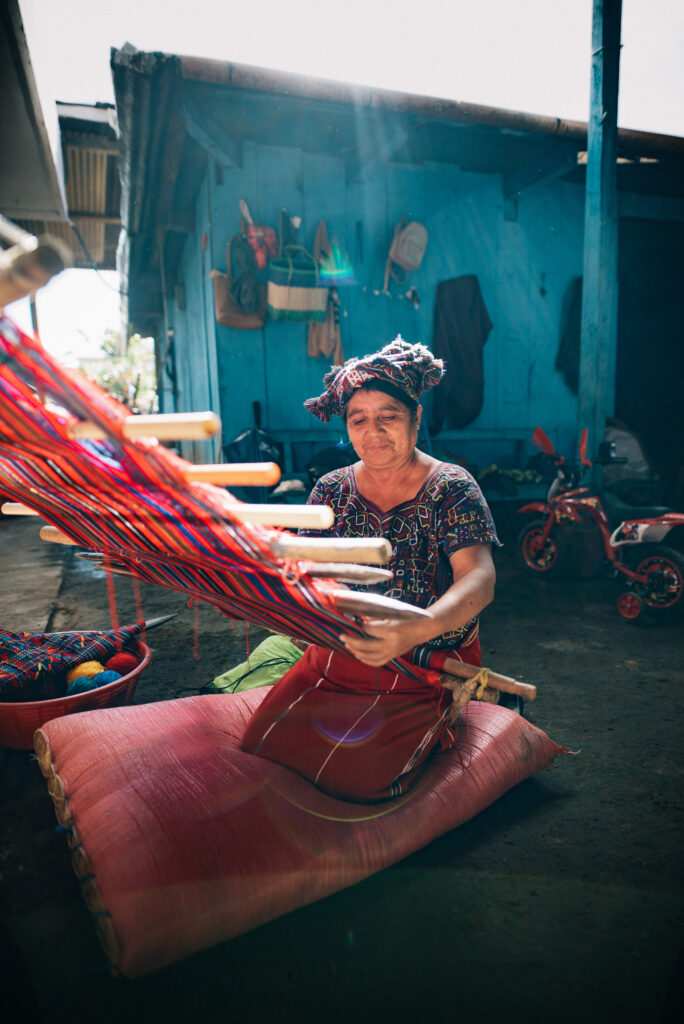
Nestled in the upper highlands of Guatemala, just a short drive down a dirt road outside Nebaj, Quiché, lies the vibrant community of Ak' Txumbal, also known as La Pista. This small village is bordered by a 1,200-meter gravel and dirt airstrip, a stark reminder of the region's turbulent past during the armed conflict of the 1980s and 90s. Today, La Pista is a testament to resilience and hope, embodied by women like Margarita.
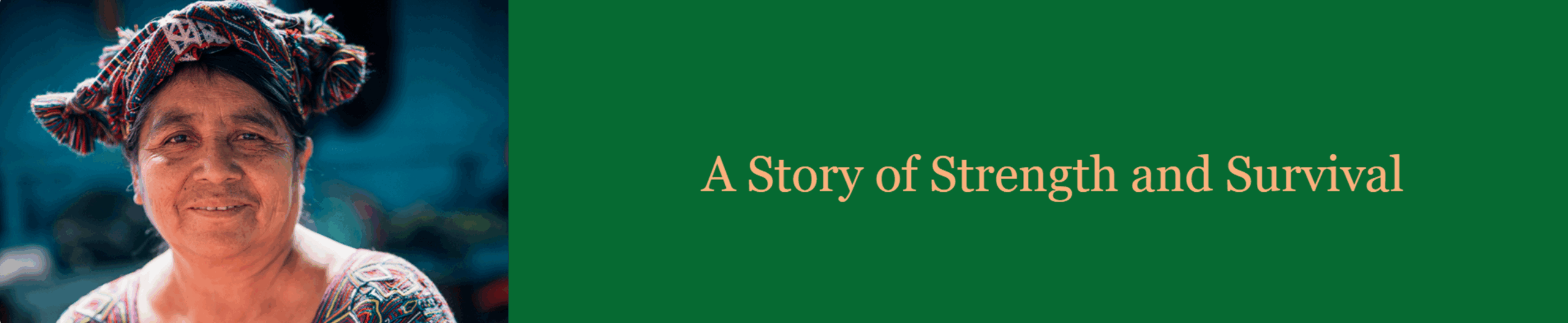
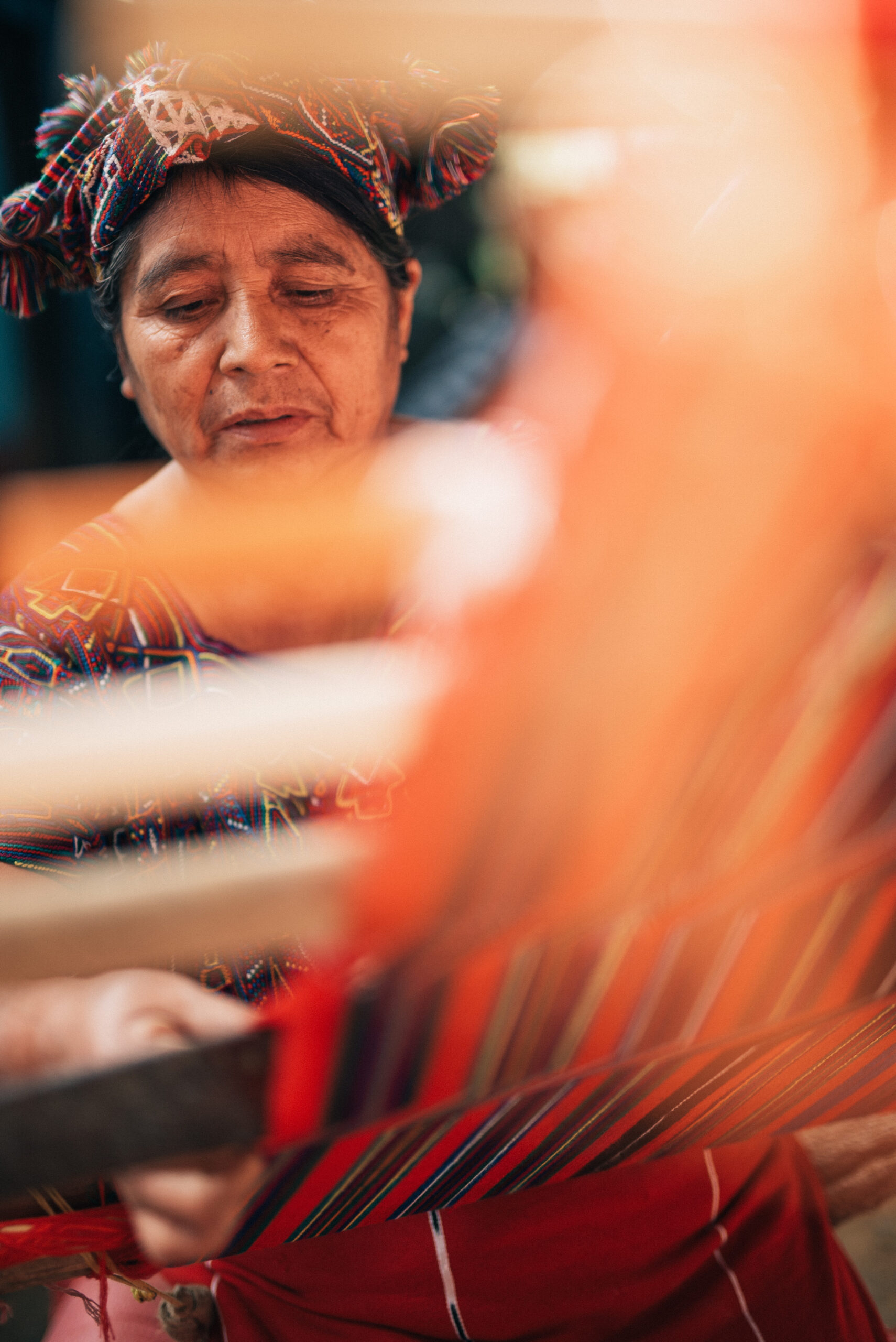
Margarita, now 61, grew up in La Pista, watching her mother weave güipiles—the traditional blouses worn by indigenous women. Sitting by her mother’s side, Margarita learned each step of the intricate art, a skill that would later become her lifeline.
Life took a harrowing turn when violence swept through her village. As a young mother, Margarita fled into the forest with her firstborn, Juan, in her arms, escaping the chaos and bullets that threatened their lives. For years, they lived in hiding on the slopes of Q’osonib’ Mountain, enduring unimaginable hardships.
“We had no food or clothes,” Margarita recalls. “We used plastic bags on our feet instead of shoes. I would carry my son to the River Xajal to collect water, covering his mouth with my hand to silence his cries and avoid detection by soldiers.”
After the conflict, Margarita returned to the ravaged remains of La Pista. Her mother, who had fallen ill and died on the mountain, left behind a legacy that Margarita was determined to honor. She initially worked picking coffee, saving enough to buy a small plot of land. There, she began weaving güipiles and rebozos, carrying on her mother’s craft.
Two years ago, Margarita joined the Agros program, receiving financial support and training that transformed her business. She learned to manage credit for the first time, saved investment capital, and expanded her customer base. Her monthly income, once $195, has grown in both savings and number of clients, and she now supports her family, including her husband Vicente and two granddaughters, ages 9 and 7.
Margarita is also a collaborative member of her church group, contributing to the community’s social and cultural revival. Her journey from the depths of adversity to a beacon of hope exemplifies the resilience and perseverance of La Pista’s women.
Margarita’s daughter, Juana, learned to weave at her mother’s side, just as Margarita had with her own mother. Together with her sister Lucia, Juana creates güipiles and rebozos that sell for thousands of Quetzales, preserving the cultural identity nearly lost to the conflict. “The güipil, the rebozo, and the cinta are part of our traditional dress,” Juana explains. “By wearing them, we help retain our identity as a people.”
Today, Margarita and her daughters are weaving a vibrant tapestry of hope and faith, transforming their tragic past into a future filled with promise for themselves and their community. Through their artistry and determination, they are central to La Pista’s reemerging identity, embodying the spirit of resilience that defines their people.
These women are part of the La Pista Group, a collective of 12 entrepreneurs who joined Agros programs two years ago and have distinguished themselves as leaders in their field. Their success has been remarkable compared to the standard of the more than 1,000 weaver entrepreneurs in the area. They have improved the quality of their products, invested in modernizing their production processes, and enhanced their business and financial skills. Their achievements are a testament to what can be accomplished with determination, support, and a shared vision for a better future.
A special thanks to John Harrison, an Agros friend, for capturing the beautiful pictures and sharing the story of Margarita, Lucia, and Juana with us. His work helps bring their inspiring journey to life, allowing us to connect more deeply with their incredible resilience and hope.
Our site may use cookies to enhance your experience. By continuing to use our site, you agree to the use of cookies.